
What Is Prasadam? The Spiritual Meaning of Offering Food to Krishna
Food is an essential part of our daily lives. We cook to nourish our bodies, share meals with our families, celebrate special occasions, and express love for the people around us. But in the devotional traditions of Hinduism, food can also become a way to connect with the Divine.
In the path of Krishna bhakti, preparing food and offering it to Lord Krishna is a beautiful expression of love, gratitude, and devotion. Food offered to Krishna with devotion is known as prasadam, a sacred blessing that devotees receive and share with others.
The practice of offering food transforms an everyday activity into an act of worship. Instead of cooking only for ourselves, we remember Krishna, prepare food with care, and offer the results of our efforts to Him.
But what exactly is prasadam? Why is food offered to Krishna, and how can we bring this practice into our own kitchens?
Let's explore the spiritual meaning of prasadam and its place in Krishna bhakti.
What Does Prasadam Mean?
The word prasadam, also spelled prasad, comes from Sanskrit and is associated with grace, favor, kindness, and graciousness. In Hindu devotional traditions, prasadam refers to an offering that has been presented to a deity and is received by devotees as a sacred blessing.
In the tradition of Krishna bhakti, prasadam commonly refers to food that has first been offered to Lord Krishna with devotion.
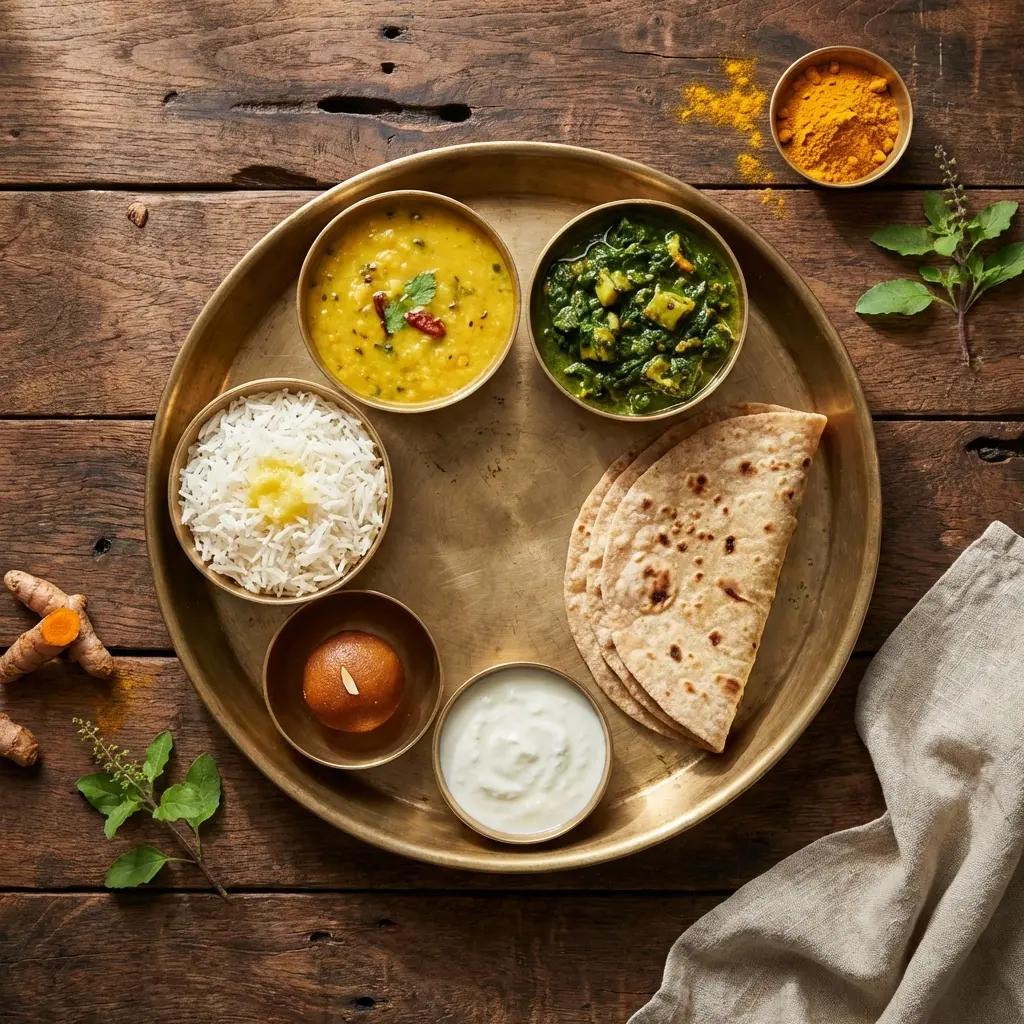
The food itself may be simple or elaborate. It could be a bowl of rice, freshly prepared dal, a piece of fruit, homemade sweets, or a lovingly prepared vegetarian meal. What makes the offering meaningful is not its cost or complexity, but the devotional intention behind it.
When devotees receive prasadam, they accept it with gratitude, recognizing it as food offered to Krishna and received as His grace.
This understanding encourages a different relationship with food. A meal becomes more than a source of nourishment. It becomes an opportunity to remember God, practice humility, and cultivate gratitude.
Why Do We Offer Food to Lord Krishna?
In Krishna bhakti, offering food is an expression of love and surrender. It is a way of acknowledging Krishna as the source of everything we have, including the ingredients we use to prepare our meals.
Think about the food we eat every day. The grains, vegetables, fruits, spices, and water that nourish us come from the natural world. We may grow some of these ingredients ourselves or purchase them from a store, but their existence depends on forces beyond our individual control.
Offering food to Krishna is a way of expressing gratitude for this nourishment.
It also changes the intention behind cooking. Rather than thinking only about what we want to eat, we can approach the kitchen as a place to serve Krishna. We select ingredients, prepare the meal carefully, and offer it with love before accepting it as prasadam.
The Bhagavad Gita's Teaching on Offering Food
The Bhagavad Gita provides a beautiful explanation of the spirit behind making an offering to Krishna.
In Chapter 9, Verse 26, Krishna says:
"If one offers Me with love and devotion a leaf, a flower, a fruit or water, I will accept it."
This verse is often understood in the Krishna bhakti tradition as a reminder that the sincerity of an offering matters more than its material value.
A leaf, a flower, a fruit, or even water can become a meaningful offering when presented with genuine devotion.
We do not need an expensive meal or a perfectly arranged plate to express our love for Krishna. Even a simple preparation can become an act of bhakti when offered with a sincere heart.
Learn more in our article on the Bhagavad Gita's teachings about food.
What Is the Difference Between Bhoga and Prasadam?
The terms bhoga and prasadam are closely connected, but they refer to different stages of the offering.
Bhoga refers to food prepared for and presented as an offering to the deity. In Krishna worship, it is the food that devotees prepare and offer to Krishna.
Prasadam refers to the food after it has been offered and is received by devotees as sacred grace.
The distinction is simple:
- Bhoga: Food prepared and presented as an offering to Krishna.
- Prasadam: The offered food received and shared as a blessing.
The terminology and specific rituals can vary among Hindu traditions and communities. In many Vaishnava practices, this distinction expresses the devotional journey of food from preparation and offering to grateful acceptance.
How Does Offering Food Become an Act of Bhakti?
Bhakti means loving devotion to God. In Krishna bhakti, devotion is not limited to formal prayer, temple visits, or religious ceremonies. It can also be expressed through ordinary activities when they are performed with Krishna in mind.
Cooking is one such activity.
1. Love and Devotion
Cooking for someone we love is a familiar way of expressing affection. We think about what they enjoy, prepare the ingredients, and take care in making the meal.
Offering food to Krishna follows a similar spirit. We prepare the meal as an expression of love, remembering Him throughout the process.
2. Gratitude
Preparing an offering reminds us that the ingredients we use are gifts. The rice, lentils, vegetables, fruits, and spices in our kitchens are part of the abundance of the natural world.
Offering food gives us a moment to pause and acknowledge this abundance with gratitude.
3. Humility
When we offer food to Krishna, we acknowledge that we are not the ultimate owners of everything we possess. We use our time, skills, and ingredients to prepare something as an offering.
This attitude encourages humility and helps us remember that the resources we enjoy are not entirely of our own making.
4. Mindfulness
Cooking can easily become a hurried activity. Approaching it as an offering encourages us to slow down and become more attentive.
We can focus on the ingredients, prepare them carefully, maintain cleanliness, and bring a sense of calm and gratitude into the kitchen.
Learn more about this connection in our article on spirituality and food.
Why Is Vegetarian Food Offered to Krishna?
In many Vaishnava traditions, food offered to Krishna is vegetarian and prepared according to the practices of that particular tradition.
This approach is connected to the devotional understanding of offering suitable food to Krishna, along with values of compassion, purity, and mindful living.
The Bhagavad Gita's discussion of food in Chapter 17 describes how different foods are associated with different qualities. Foods that promote vitality, health, well-being, and satisfaction are described as dear to those influenced by sattva.
Within many Krishna devotional communities, these teachings inform the preparation of food for offerings.
Vegetarian ingredients such as grains, lentils, vegetables, fruits, nuts, and dairy products are commonly used, depending on the tradition and its dietary practices.
Some Vaishnava traditions also avoid ingredients such as onion and garlic in food prepared for Krishna. Other Hindu communities follow different customs, so these practices should not be treated as universal rules for every Hindu household.
For those who follow a lacto-vegetarian diet, traditional Indian dishes offer many possibilities for preparing a satisfying and flavorful offering.
If you would like to learn more, read our article on the relationship between food and spiritual life.
How to Offer Food to Krishna at Home
Offering food to Krishna at home does not need to be complicated. The exact procedure depends on your sampradaya, family tradition, and the guidance you follow, but the underlying spirit is one of love and devotion.
Step 1: Prepare the Food with Care
Choose a vegetarian dish that is appropriate for your tradition. It could be a simple preparation of rice and dal, a vegetable sabzi, fresh fruit, or a homemade sweet.
Prepare the food with care, maintaining cleanliness and following the dietary practices of your tradition.
Step 2: Set Aside a Portion as an Offering
Before serving the meal, place a small portion of the prepared food in a clean dish reserved for the offering.
In traditions that follow particular offering procedures, use the method taught by your family, guru, or sampradaya.
Step 3: Offer the Food with Devotion
Place the offering before Krishna's image or in the designated place used for worship in your home.
You may offer a prayer, chant Krishna's name, or follow the specific mantras and rituals of your tradition.
Take a moment to remember Krishna and offer the food with love and gratitude.
Step 4: Receive the Food as Prasadam
After the offering, the food is received as prasadam according to your tradition's practice. It can then be served to family members and shared with guests.
Accepting prasadam with gratitude is an important part of the experience. The meal becomes an opportunity to remember Krishna and share the blessing with others.
Step 5: Share with Others
Sharing prasadam extends the spirit of the offering beyond the individual. You can serve it to your family, offer it to guests, or share it with others in your community.
In many devotional settings, distributing prasadam is an important expression of service and hospitality.
What Foods Can Be Offered to Krishna?
The foods offered to Krishna depend on the devotional tradition being followed. In many Vaishnava traditions, offerings are prepared using vegetarian ingredients and follow specific dietary guidelines.
- Rice and grains: Steamed rice, rice preparations, and other grain-based dishes.
- Dal and legumes: Moong dal, other lentil preparations, and beans.
- Vegetable dishes: Aloo Gobi, Aloo Shimla Mirch, and other vegetarian sabzis.
- Dairy preparations: Milk, yogurt, butter, and traditional dairy-based sweets where permitted by the tradition.
- Fresh fruits: Bananas, apples, mangoes, and seasonal fruits.
- Homemade sweets: Traditional preparations made with ingredients appropriate for the offering.
The Bhagavad Gita's reference to a leaf, flower, fruit, and water reminds us of the simplicity with which devotion can be expressed.
Prasadam in the Pushtimarg Tradition
In Pushtimarg, the path of grace associated with Shri Vallabhacharya, seva to Shri Krishna is central to devotional life.
Food offerings are an important part of this tradition. Krishna is lovingly served through different forms of seva, which can include preparing and offering food at various times of the day.
In the tradition of seva to Shrinathji, food offerings are connected to the daily rhythm of service. Offerings are prepared with care and presented as an expression of affection for the Lord.
The spirit is not simply to prepare food and place it before a deity. It is to serve Krishna with the loving attention one would give to a cherished and beloved presence.
The traditions of Pushtimarg include distinctive practices concerning the preparation, presentation, and timing of offerings. These practices are best understood through the guidance of the tradition itself.
For devotees, this form of seva brings devotion into the daily routine. Cooking, arranging the offering, and serving Krishna become interconnected expressions of love.
Explore this devotional approach in our article on cooking for Krishna.
Is Prasadam Different from Ordinary Food?
From a physical perspective, prasadam may contain the same ingredients as an ordinary meal. Rice remains rice, fruit remains fruit, and a vegetable dish may look just as it did before the offering.
Its significance, however, comes from its place in devotional practice.
Ordinary food is often prepared primarily to satisfy hunger or provide nourishment. Food offered to Krishna is prepared with the intention of making an offering and is then received as prasadam.
For devotees, this changes the meaning of eating. The meal becomes an opportunity to remember Krishna, express gratitude, and participate in a devotional relationship.
Prasadam is therefore not valued only for its taste or nutritional qualities. It is valued for the spiritual meaning associated with the offering.
Bringing the Spirit of Prasadam into Everyday Life
The practice of offering food to Krishna can inspire us to approach everyday cooking with greater care and intention.
Even when we are preparing a quick weekday meal, we can remember the values that make an offering meaningful.
We can choose ingredients thoughtfully, avoid unnecessary waste, cook with attention, and appreciate the effort that goes into bringing food to the table.
We can also extend the spirit of seva by preparing meals for family members, welcoming guests, and sharing food with those who need it.
These actions are not all identical to the formal offering of prasadam, but they can reflect qualities associated with a devotional life: kindness, gratitude, humility, and service.
For a devotee, the kitchen can become more than a place where meals are prepared. It can become a place where love and devotion are expressed through everyday actions.
Frequently Asked Questions About Prasadam
1. What is prasadam in Hinduism?
Prasadam is an offering, often food, that has been presented to a deity and is received by devotees as a sacred blessing. In Krishna bhakti, it commonly refers to food offered to Lord Krishna and then shared with devotees.
2. What is the meaning of Krishna prasadam?
Krishna prasadam is food that has been offered to Lord Krishna with devotion. It is received with gratitude as a blessing and a reminder of the devotee's relationship with Him.
3. What is the difference between bhoga and prasadam?
Bhoga is food prepared and presented as an offering to Krishna. Prasadam is the offered food that devotees receive and share as sacred grace.
4. Does prasadam have to be vegetarian?
In many Vaishnava traditions, food offered to Krishna is vegetarian. Specific ingredients and preparation rules vary by tradition, so devotees generally follow the guidance of their own sampradaya.
5. Can I offer simple food to Krishna at home?
Yes. Simple offerings can be meaningful expressions of devotion. The Bhagavad Gita, Chapter 9, Verse 26, describes Krishna accepting a leaf, flower, fruit, or water when offered with love and devotion. Follow the offering practices of your tradition.
6. Can prasadam be shared with family and friends?
Yes. Sharing prasadam with family, guests, and the wider community is an important practice in many devotional traditions. It allows others to participate in the blessing associated with the offering.
7. Why is prasadam treated with respect?
Devotees regard prasadam as sacred because it has been offered to the deity. It is therefore received with gratitude and care rather than treated as ordinary food.
Conclusion: Turning Food into an Offering of Love
Prasadam reminds us that food can nourish more than the body. In the tradition of Krishna bhakti, it can also become a way to express love, gratitude, and devotion.
By preparing food with care, offering it to Krishna, and receiving it with a grateful heart, we bring a spiritual dimension to one of the most ordinary parts of daily life.
The beauty of this practice is that it does not depend on preparing an elaborate meal. A simple dish, a piece of fruit, or even water can become an offering when presented with sincere devotion, according to one's tradition.
For those who follow the path of Krishna bhakti, cooking can become seva, eating can become an act of gratitude, and sharing food can become an expression of love.
At Fearless Vegetarian, we believe that vegetarian cooking offers wonderful opportunities to explore the connection between food, culture, and spirituality. Whether you are preparing a traditional Indian meal or a simple dish for your family, approaching food with care and gratitude can make the experience more meaningful.
May every meal remind us to be grateful for the nourishment we receive, and may the food we prepare and share bring kindness, joy, and devotion into our homes.
Hare Krishna!
Thank you for reading Fearless Vegetarian!
Explore our collection of delicious vegetarian recipes and bring more flavor, joy, and devotion into your kitchen.