What Does the Bhagavad Gita Say About Food?
Explore sattvic, rajasic, and tamasic foods and their place in Hindu philosophy.

Food is much more than something we eat to satisfy hunger. It connects us to our bodies, our families, our cultures, nature, and, for many people, their spiritual beliefs.
Across different cultures and spiritual traditions, food has often been associated with gratitude, discipline, compassion, mindfulness, and connection. For some people, choosing vegetarian food is simply a personal preference. For others, it can become part of a deeper way of living.
At Fearless Vegetarian, we believe vegetarian food can be enjoyed for many reasons. You might choose it for health, compassion toward animals, environmental concerns, cultural traditions, spirituality, or simply because you love delicious vegetarian food.
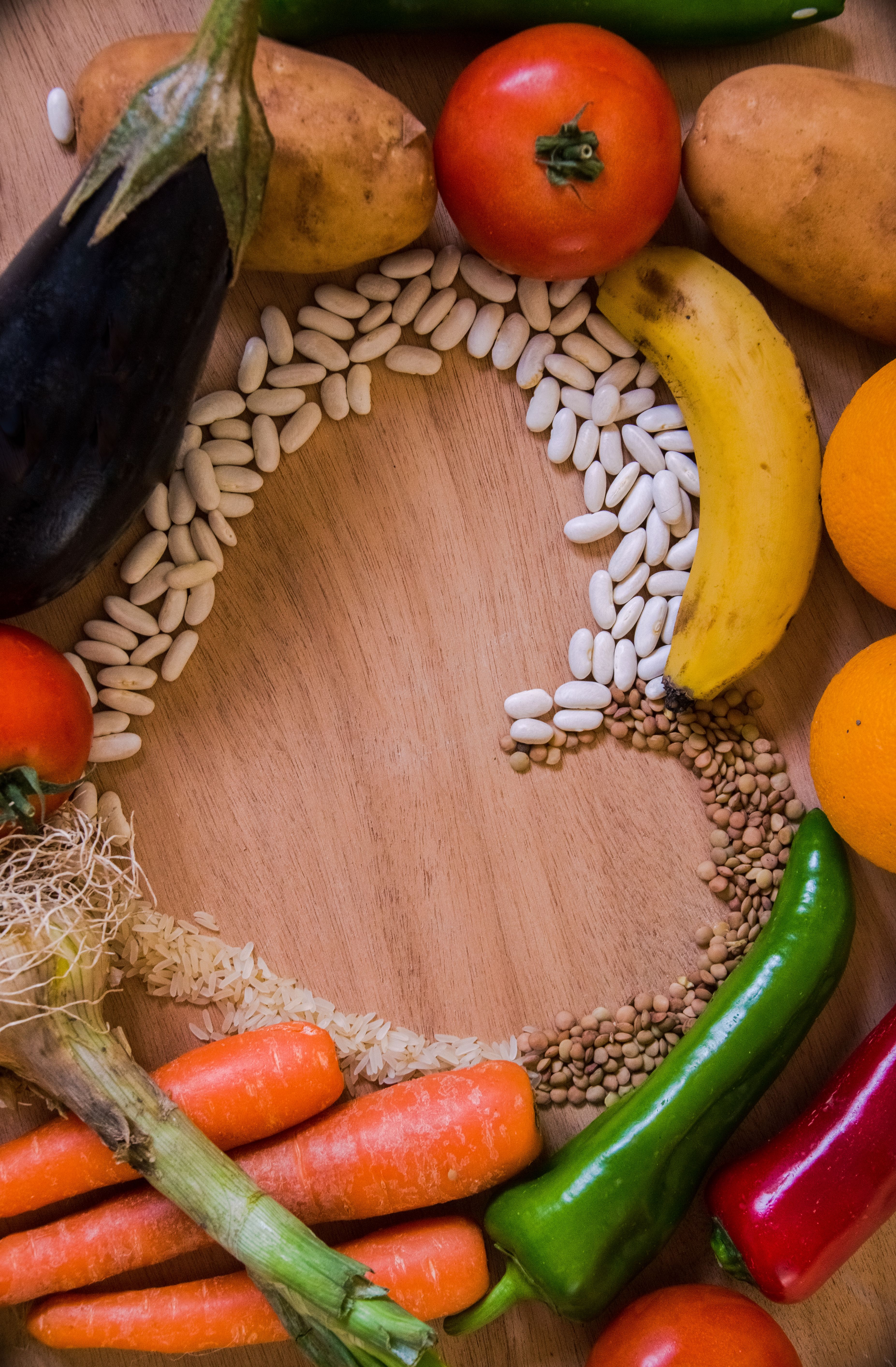
We often think about food in terms of calories, protein, vitamins, and minerals. These are important, but food can have another dimension.
Think about a meal you remember from childhood. Perhaps it was something a parent or grandparent prepared for you. The food itself may have been simple, but the memories and emotions surrounding it can make that meal special.
Food can bring people together. It can express love and hospitality. It can preserve cultural traditions and connect generations.
For many people, food can also become an opportunity to practice awareness and gratitude.
One of the strongest connections between spirituality and vegetarianism is compassion.
Many spiritual traditions encourage people to reduce unnecessary harm and develop compassion toward other living beings. For some people, this naturally influences their food choices.
Animals are living beings capable of experiencing their environment in their own ways. Choosing vegetarian food can therefore become, for some people, an expression of compassion.
This doesn't mean everyone has to arrive at vegetarianism for the same reason. People make food choices based on their own circumstances, beliefs, culture, health, and experiences.
The important thing is approaching those choices thoughtfully rather than judgmentally.
Spirituality often encourages us to become more aware of the present moment. That idea can be applied to eating.
How often do we eat while watching television, scrolling through our phones, working, or rushing from one activity to another?
Mindful eating encourages us to slow down and actually experience our food.
Notice the aroma before taking the first bite. Pay attention to the texture and flavors. Eat slowly enough to recognize when you're becoming satisfied.
You don't have to turn every meal into a meditation session. Even a few moments of awareness can change the way you experience food.
Gratitude is another simple connection between spirituality and food.
Before eating, you can take a moment to appreciate everything that contributed to the meal.
A simple bowl of dal, for example, represents much more than the ingredients in the bowl. There are farmers who grew the lentils, people who transported them, water and soil that supported their growth, spices that traveled from different places, and someone who prepared the meal.
You don't have to follow a particular religious practice to appreciate this.
"I am grateful for this food and everyone and everything that made it possible."
Food has an important place in Hindu philosophy and traditions.
The Bhagavad Gita, one of the central texts of Hindu philosophy, describes food through the framework of the three gunas: sattva, rajas, and tamas.
These three qualities are associated not only with food but with different tendencies found throughout nature.
Sattvic foods are traditionally associated with qualities such as nourishment, purity, vitality, balance, and clarity.
The Bhagavad Gita describes foods that are fresh, nourishing, pleasing, and conducive to health as having a sattvic quality.
In a modern vegetarian kitchen, this can naturally bring to mind foods such as fresh fruits and vegetables, grains, legumes, nuts, seeds, and other wholesome foods.
The deeper idea, however, isn't simply that certain foods are "good" and others are "bad." The discussion is part of a larger philosophical framework concerning the qualities of nature and their influence on our mind and behavior.
Rajasic foods are traditionally associated with stimulation and intensity.
The Bhagavad Gita describes foods that are excessively bitter, sour, salty, hot, pungent, dry, or burning as associated with rajas.
Interestingly, this doesn't mean that spicy food is inherently wrong or unhealthy.
Indian cuisine contains an extraordinary variety of spices and intensely flavored dishes. The Gita's classification is better understood within its philosophical context rather than as a modern nutritional ranking.
Tamasic qualities are traditionally associated with heaviness, inertia, and dullness.
The Bhagavad Gita describes foods that are stale, tasteless, putrid, decomposed, or impure as associated with tamas.
Again, this classification is philosophical rather than a modern food-safety or nutrition guide.
The broader teaching encourages awareness of how our choices may influence our physical and mental state.
One of the fascinating ideas in Indian philosophy is the relationship between the body, mind, and lifestyle.
Food nourishes the body, but our eating habits can also influence how we feel and behave.
Consider the difference between eating a balanced meal slowly and intentionally versus constantly eating while distracted, overeating, or relying on food simply as a response to stress.
The food itself is only part of the story. Our relationship with food matters too.
This is where spirituality and mindful eating can overlap.
Cooking doesn't have to be just another chore. It can become an opportunity to slow down and be present.
When you wash vegetables, chop onions, grind spices, knead dough, or stir a pot of dal, try paying attention to what you're doing instead of rushing through the process.
Cooking for someone else can also be an expression of care.
A homemade meal can communicate something that words sometimes cannot:
"I care about you, and I wanted to make something for you."
The concept of ahimsa, often translated as nonviolence or non-harming, has a significant place in Indian philosophical traditions.
For many people, ahimsa influences how they think about their relationships with other living beings.
Vegetarianism has therefore become closely associated with certain Indian spiritual and philosophical traditions.
But ahimsa can also be understood more broadly. It can involve how we treat animals, other people, ourselves, and even the environment.
A compassionate lifestyle isn't only about what's on our plate. It can also be reflected in how we speak, how we treat others, and how we respond to disagreement.
It's important not to turn spirituality into another set of food rules.
You don't have to eat perfectly to be mindful. You don't have to eliminate every processed food. You don't have to prepare every meal from scratch.
And you don't have to follow a particular spiritual tradition to appreciate the connection between food and awareness.
A vegetarian can enjoy a homemade vegetable curry one day and a veggie burger or pizza the next.
Food can be nutritious and enjoyable.
Spirituality doesn't have to mean deprivation.
Sometimes conversations about food become unnecessarily restrictive. People become afraid of eating the "wrong" thing or feel guilty when they enjoy something considered unhealthy.
That isn't the relationship with food we want to encourage at Fearless Vegetarian.
Instead, consider approaching food with awareness rather than fear.
Eat nourishing foods most of the time. Enjoy your favorite foods. Pay attention to how different foods make you feel. Learn about nutrition. Be grateful for your meals.
And give yourself room to enjoy life.
You can try this with your next meal.
It takes only a few minutes, but it can completely change the experience of a meal.
There isn't one correct reason to become vegetarian.
Someone may choose vegetarianism because of compassion for animals. Someone else may do it for health. Another person may follow a vegetarian tradition because of their family or culture.
Someone else might simply discover that they feel better eating more plants.
All of these experiences are valid.
For some people, vegetarianism becomes part of a spiritual journey. For others, it remains simply a food choice.
There is room for both.
Spirituality doesn't have to be complicated.
It can begin with something as ordinary as sitting down for a meal and being grateful for it.
It can mean cooking with intention, choosing food that reflects your values, practicing compassion toward animals and people, or simply enjoying a meal without distractions.
At Fearless Vegetarian, we believe food can nourish more than the body. It can bring people together, preserve traditions, inspire compassion, and create moments of awareness and gratitude.
Whether your vegetarian journey is motivated by health, culture, compassion, spirituality, or simply a love of good food, we hope you can approach it with curiosity, balance, and joy.