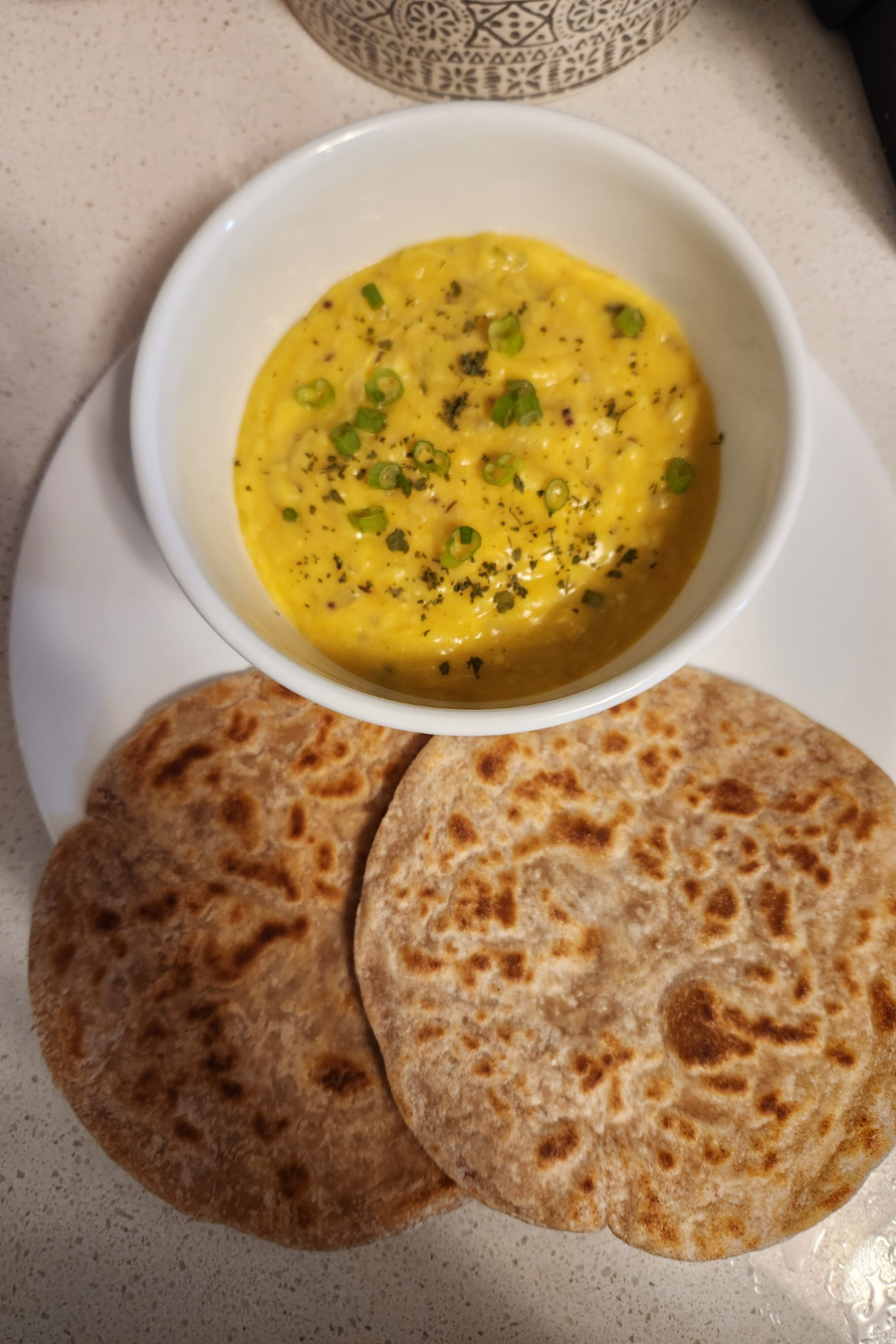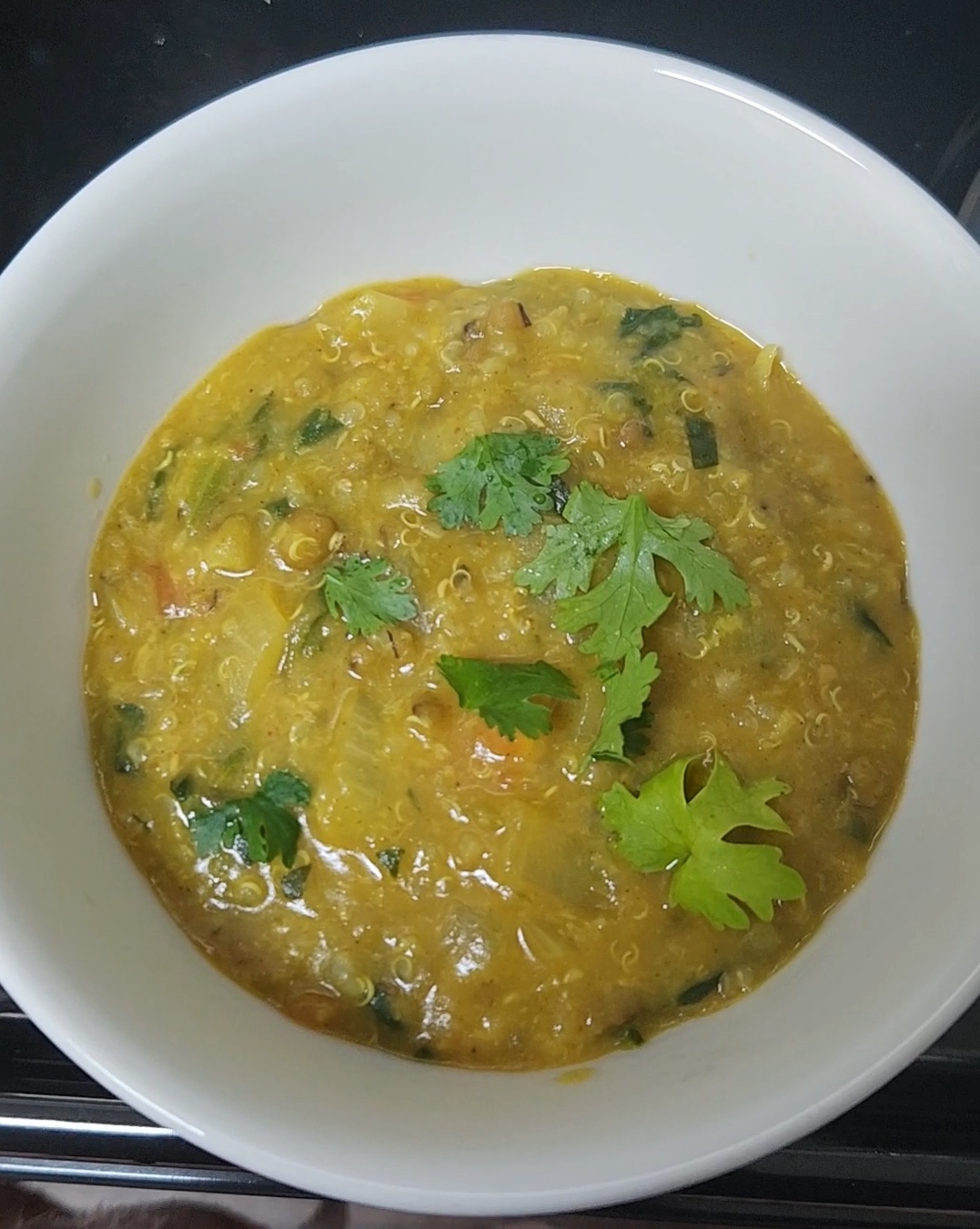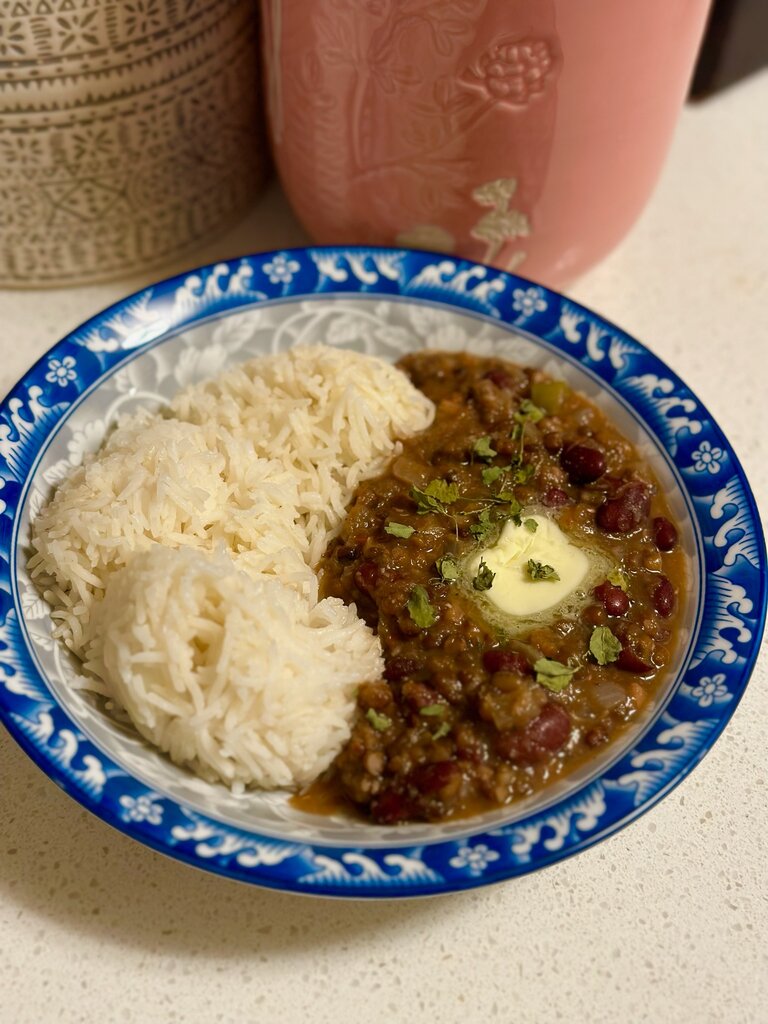
Dal Makhani
A rich and creamy North Indian lentil dish made with black lentils, kidney beans, and aromatic spices.
Vegetarianism doesn't have to mean giving up delicious food. It can be a compassionate, flavorful, healthy, and enjoyable way of eating.
I’ve been vegetarian all my life, and I genuinely love it.
I don’t see vegetarianism as a restrictive way of eating. For me, it’s a way to enjoy delicious food while making choices that align with compassion, health, and a more mindful way of living.
At Fearless Vegetarian, I believe vegetarian food should be flavorful, satisfying, accessible, and enjoyable. You shouldn't have to give up the foods you love to discover the benefits of eating more plants.
Let me start by sharing why vegetarianism matters to me, and then I’ll share a few simple tips for anyone who is thinking about making the switch.
For me, vegetarianism begins with compassion.
Animals are living beings, and I believe they deserve to be treated with kindness and respect. Growing up, many of us learn to think of meat as simply another item on a plate. We don't always stop to think about where it came from or the animal behind it.
Becoming vegetarian encouraged me to think more deeply about that connection.
It made me ask a simple question:
If I can enjoy a delicious and nutritious meal without requiring an animal to be killed for it, why wouldn't I choose that option?
That question eventually became an important part of my food choices.
But compassion isn't the only reason to consider vegetarianism.
A diet centered around vegetables, fruits, beans, lentils, whole grains, nuts, seeds, and other plant foods can provide a wide variety of nutrients while giving you an incredible range of flavors and cuisines to explore.
There are also environmental benefits to eating more plant-based foods. Choosing plants more often can reduce the environmental impact associated with producing animal foods.
One of the biggest misconceptions about vegetarianism is that you have to give up everything you enjoy.
You don't.
If you love pizza, you can make vegetarian pizza.
If you love burgers, you can make a delicious veggie burger.
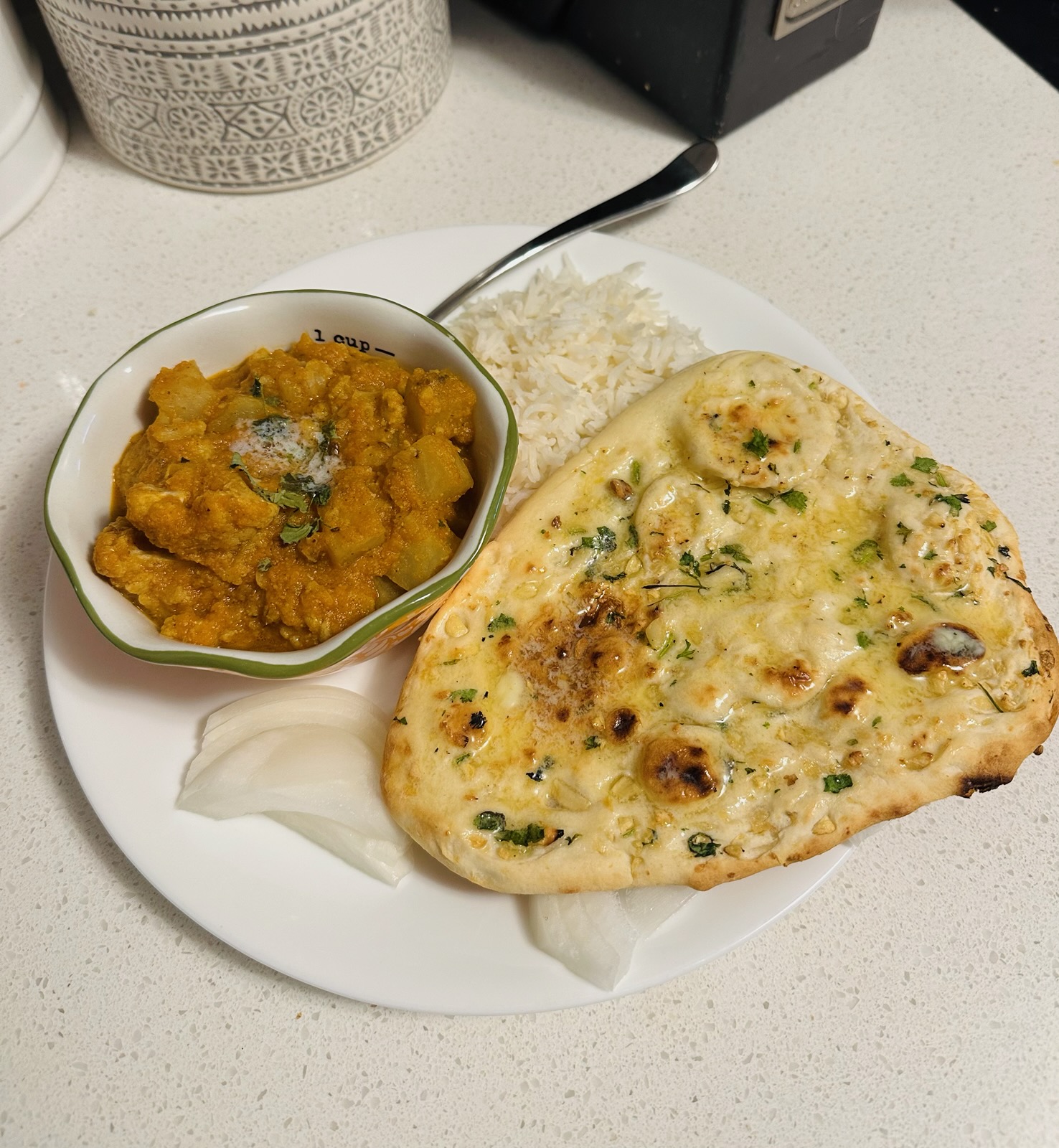
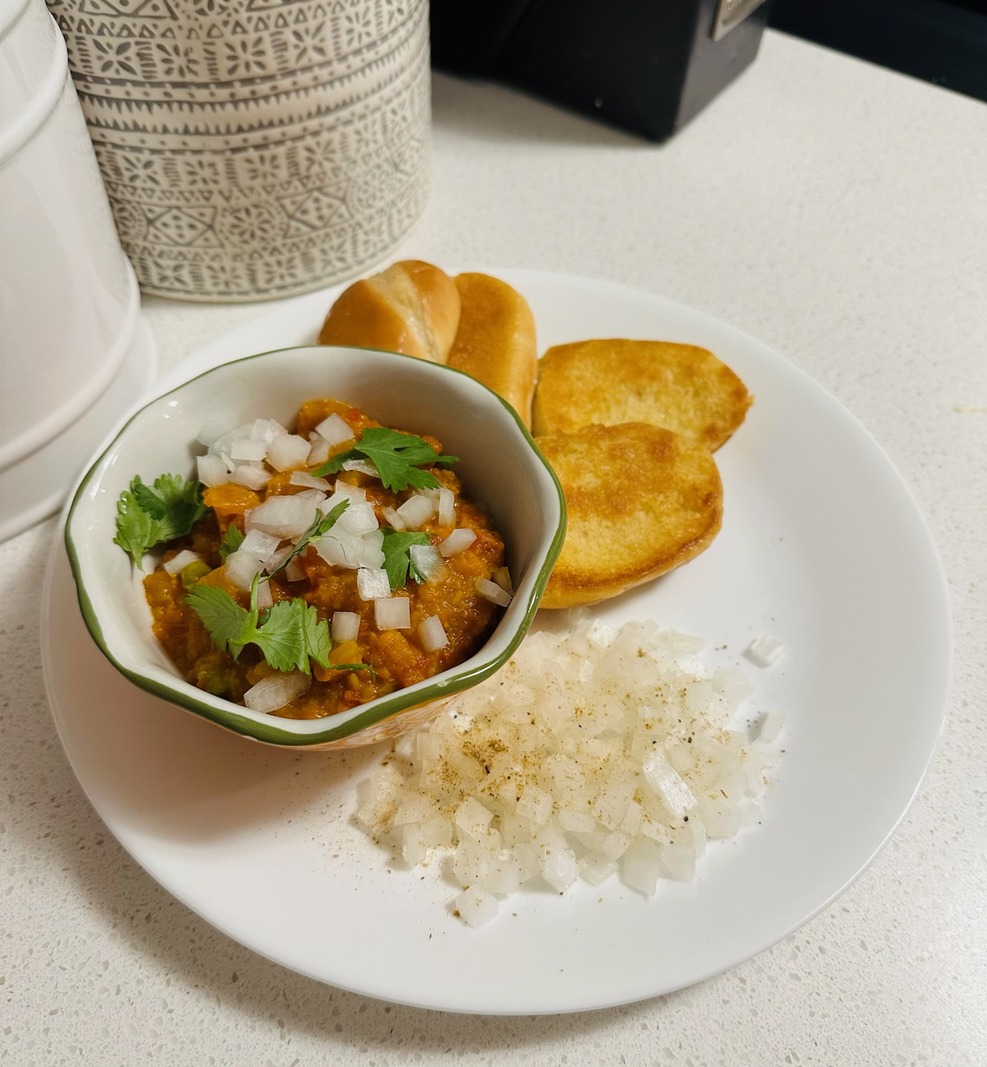
If you enjoy Indian food, you have an enormous variety of vegetarian dishes to explore.
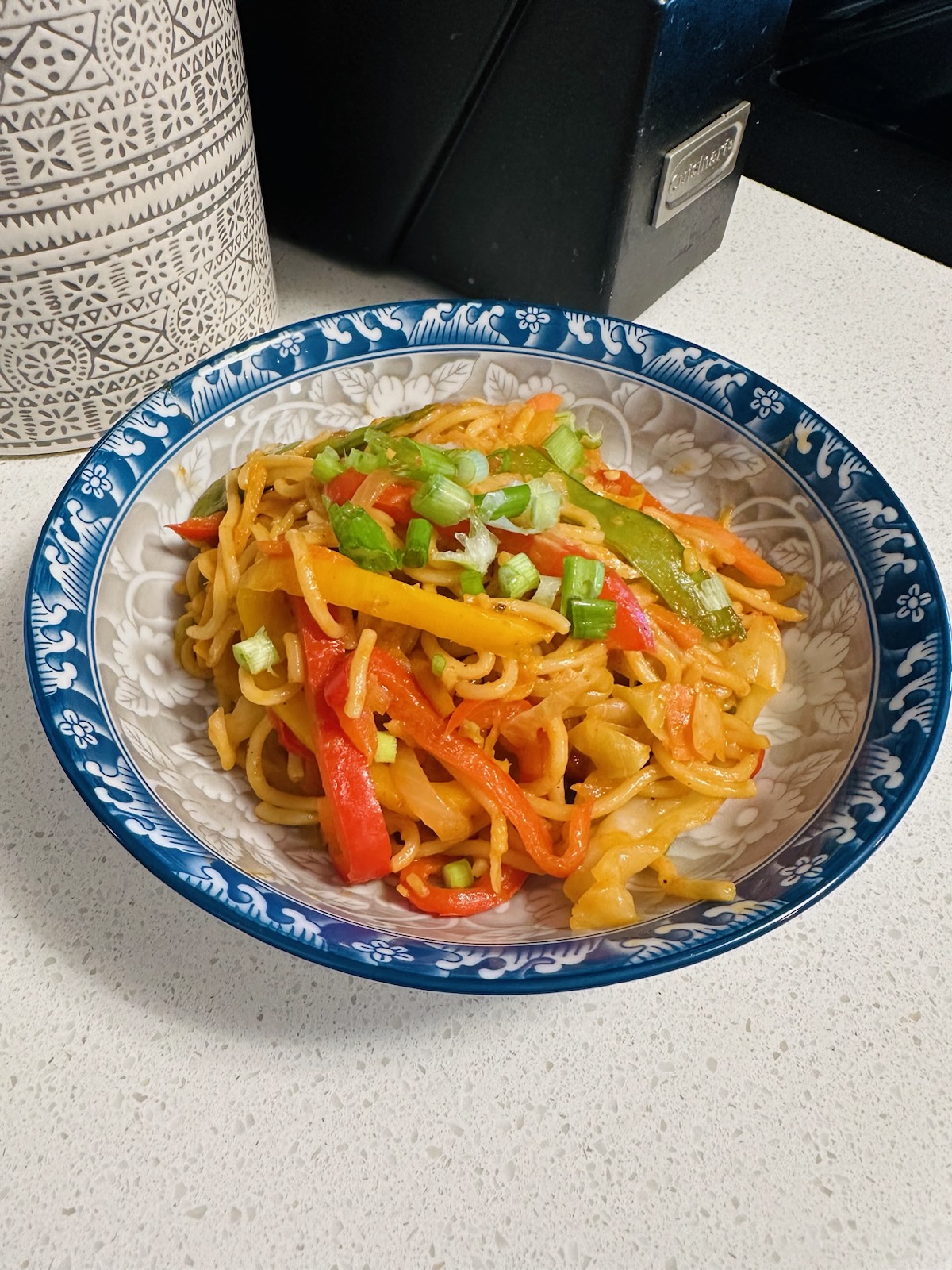
If you love Mexican food, pasta, Thai food, Chinese food, Mediterranean food, or American comfort food, there are countless vegetarian possibilities.
And occasionally, there's nothing wrong with enjoying vegetarian pizza, burgers, fries, cookies, cakes, or other treats.
Vegetarian doesn't automatically mean healthy, and healthy doesn't have to mean boring.
A healthy vegetarian diet doesn't have to be complicated.
I focus on eating a wide variety of foods rather than obsessing over individual nutrients.
I also believe that a healthy lifestyle involves more than food. Regular physical activity, adequate sleep, hydration, and taking care of your overall well-being are just as important.
If you choose a vegetarian diet, pay attention to nutrients that can sometimes require extra consideration, such as vitamin B12, vitamin D, iron, calcium, iodine, omega-3 fatty acids, and protein.
Individual nutritional needs can vary. If you're unsure whether you're meeting your nutritional needs, consider speaking with a qualified healthcare professional or registered dietitian.
You don't have to wake up tomorrow and completely change everything you eat.
In fact, for many people, making the transition gradually can make it much easier.
Begin with one meal or one type of food.
For example, you could start with:
Meatless Mondays.
Or decide that breakfast will always be vegetarian. Once that feels normal, add another vegetarian meal. Then another.
Eventually, eating vegetarian becomes your normal routine rather than something that requires constant effort.
You don't need to completely reinvent your palate.
Take foods you already enjoy and make vegetarian versions of them.
The easiest transition is often the one where your favorite foods come with you.
You don't need 100 recipes.
Start with five or ten dishes that you genuinely enjoy and know how to prepare.
Once you have a handful of reliable meals, vegetarian cooking becomes much less intimidating.
Then gradually expand your recipe collection.
This is one of the reasons I created Fearless Vegetarian; to make vegetarian cooking easier for anyone who wants delicious recipes without feeling overwhelmed.
There are plenty of vegetarian meat alternatives available today.
Some are highly processed, so I don't consider them automatically "health foods." But they can be incredibly useful.
A vegetarian burger, meatless sausage, plant-based chicken, or other meat alternative can make transitioning easier, especially when you're craving a familiar meal.
Think of these products as tools, not requirements.
One of the most common questions people ask about vegetarian diets is:
"Where do you get your protein?"
The answer is simple: there are many vegetarian sources of protein.
Try including a protein-rich food in your meals rather than thinking about protein as something you have to get from meat.
If you're becoming vegetarian, you don't need to suddenly throw away everything in your kitchen.
Use what you already have. Replace foods gradually as you finish them.
This approach is easier on your wallet and avoids unnecessary waste.
Making a compassionate change doesn't mean you have to completely reinvent your life overnight.
This might be the most important piece of advice.
Your journey doesn't have to be perfect.
If you accidentally eat something containing meat, don't decide that you've failed.
If you go to a restaurant and the vegetarian options are limited, do the best you can.
If you have a craving and make a choice you weren't planning to make, simply continue with your next meal.
One meal doesn't define your entire lifestyle.
What matters is the direction you're moving in.
Vegetarian cooking is an opportunity to explore flavor.
Spices, herbs, aromatics, sauces, chilies, roasted vegetables, fermented foods, and different cooking techniques can completely transform simple ingredients.
Indian cuisine alone demonstrates how exciting vegetarian food can be.
You can take humble ingredients such as potatoes, cauliflower, chickpeas, spinach, tomatoes, lentils, or eggplant and turn them into something completely different with the right combination of spices and cooking techniques.
Plants aren't boring. We just have to learn how to cook them well.
One of the wonderful things about vegetarian cooking is that many recipes can easily be adapted to a vegan lifestyle.
With a few simple substitutions, many vegetarian recipes can become completely plant-based.
Whether you're vegetarian, vegan, flexitarian, or simply trying to eat more plants, many Fearless Vegetarian recipes can be adapted to fit your preferences.
Choosing vegetarianism is a personal decision.
You may encounter people who don't understand your choices. You may hear jokes. Someone might tell you that they could "never give up meat."
That's okay.
You don't have to convince everyone.
I believe the best way to encourage others is to model the lifestyle you enjoy.
And most importantly, don't judge someone simply because they aren't where you are yet.
Everyone's journey is different.
You don't need complicated meal plans.
You don't need an expensive pantry full of specialty ingredients.
You don't need to become a professional chef.
And you definitely don't need to give up enjoying food.
Start small.
Learn a few recipes.
Keep your favorite foods.
Experiment with new ingredients.
Eat a variety of plant foods.
Pay attention to your nutrition.
And give yourself time to develop new habits.
Eventually, something interesting happens.
You stop thinking about what you're giving up.
You start thinking about everything you've gained.
Vegetarian living doesn't have to be restrictive. It can be joyful, flavorful, compassionate, and completely satisfying.
That's what Fearless Vegetarian is all about.