Where to Begin Your Vegetarian Journey
Becoming vegetarian doesn't have to be overwhelming. Whether you're making the change for your health, the environment, or personal values, Fearless Vegetarian is here to help you every step of the way.
This guide shares practical advice, cooking tips, shopping recommendations, and beginner-friendly ideas to help you confidently prepare delicious vegetarian meals at home.
Types of Vegetarians
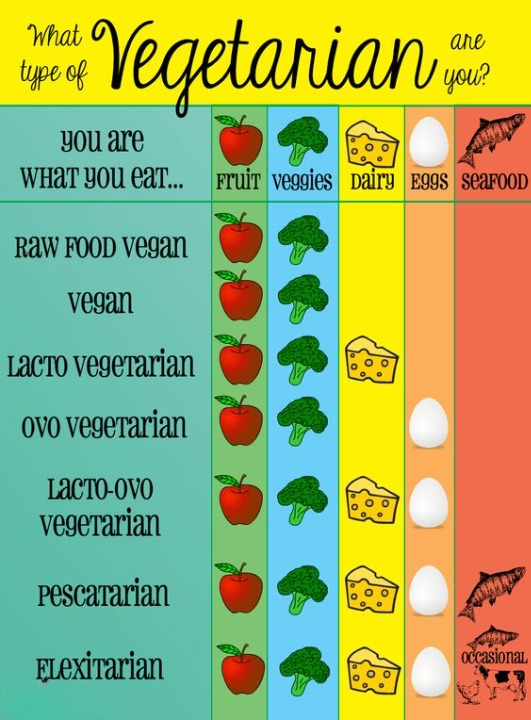
There are several types of vegetarian diets, each with different food choices. Fearless Vegetarian primarily focuses on the lacto-vegetarian lifestyle, which includes dairy products while excluding meat, poultry, seafood, and eggs. However, almost every vegetarian meal can be adapted into a vegan version by replacing dairy and other animal-based ingredients with plant-based alternatives.
For example, dairy milk can be replaced with almond, oat, soy, or coconut milk. Paneer can be substituted with tofu, yogurt can be replaced with coconut or soy-based yogurt, and butter can be replaced with plant-based oils or vegan butter alternatives. Traditional dishes such as curries, dals, desserts, and snacks can all be recreated using vegan ingredients without sacrificing flavor.
Whether you choose to follow a lacto-vegetarian or vegan lifestyle, the goal is to enjoy wholesome, flavorful meals while making choices that align with your personal health, environmental, and ethical values.
Lacto Vegetarian
Eats vegetables, fruits, grains, legumes, nuts, seeds, and dairy products.
Lacto-Ovo Vegetarian
Includes everything in a lacto-vegetarian diet, plus eggs.
Vegan
Excludes all animal products, including dairy, eggs, and honey.
Flexitarian
Primarily vegetarian, but occasionally consumes meat or seafood.
Getting Started
If you're new to vegetarian cooking, Indian cuisine is one of the best places to begin. It offers hundreds of naturally vegetarian dishes packed with flavor, protein, and wholesome ingredients.
At first, unfamiliar spices and ingredients may seem intimidating. Don't let that discourage you. Every experienced cook started exactly where you are today.
Throughout Fearless Vegetarian, I'll show you how to build confidence in the kitchen, understand Indian ingredients, and prepare delicious meals your whole family will enjoy.
Visit an Indian Grocery Store
One of the biggest challenges for beginners is finding the right ingredients. While many supermarkets carry basic Indian ingredients, you'll discover a much wider variety and better prices at your local Indian grocery store.
These stores stock nearly everything you'll need, including spices, lentils, rice, flours, frozen vegetables, paneer, snacks, pickles, and ready-to-cook products that make learning Indian cooking much easier.
Don't be intimidated if you've never visited one before. Store employees are usually very helpful, and you'll quickly become familiar with the ingredients after making a few recipes.
Learn Your Spices
Indian food is famous for its incredible flavors, but those flavors come from using spices correctly, not from making food extremely spicy.
As a beginner, focus on learning a handful of commonly used spices before buying everything at once.
Turmeric
Adds beautiful color and earthy flavor. A little goes a long way, so use it sparingly.
Red Chili Powder
Controls heat. Start with small amounts until you discover your preferred spice level.
Cumin
Adds warmth and depth to curries, lentils, rice dishes, and vegetables.
Coriander Powder
Provides mild citrus notes and balances many traditional Indian dishes.
Beginner Cooking Tips
Start Simple
Begin with recipes that use fewer ingredients before attempting more advanced dishes.
Measure Your Spices
Avoid guessing. Measuring spices helps create consistent, delicious results every time.
Cook Often
The more you cook, the faster you'll become comfortable with Indian flavors and techniques.
Watch Recipe Videos
Watching someone prepare a recipe often makes it easier to understand than simply reading the steps.
Common Beginner Mistakes
- Adding too much turmeric or chili powder.
- Cooking on very high heat all the time.
- Giving up after one unsuccessful recipe.
- Buying too many spices before learning how to use them.
- Comparing homemade food to restaurant food on your first attempt.
Every cook makes mistakes. Learning from them is part of becoming confident in the kitchen. Each recipe you prepare builds experience and improves your skills.
Take Baby Steps
One of the biggest reasons people struggle with becoming vegetarian is trying to change everything overnight. A gradual transition is often easier and more sustainable.
If meat has always been the centerpiece of your meals, start by replacing just one or two meals each week with delicious vegetarian recipes.
Many people enjoy starting with "Meatless Mondays", then gradually increasing the number of vegetarian meals until it becomes second nature.
If you're ready to fully commit, consider trying a vegetarian lifestyle for three months. That gives you enough time to explore new recipes, build confidence, and establish healthier cooking habits.
Beginner Checklist
✅ Find a nearby Indian grocery store.
✅ Buy a few essential spices.
✅ Learn one recipe at a time.
✅ Cook at home regularly.
✅ Watch cooking videos when needed.
✅ Don't be afraid to make mistakes.
Recommended Beginner Recipes
Start with simple recipes that don't require many ingredients. These beginner-friendly dishes will help you become more comfortable with vegetarian cooking.
Keep Going — You've Got This!
Nobody becomes a great cook overnight. Every recipe you make teaches you something new.
Don't worry if your first few meals aren't perfect. Every experienced cook has burned food, added too much spice, or forgotten an ingredient.
The important thing is to keep cooking, keep learning, and most importantly, enjoy the journey.