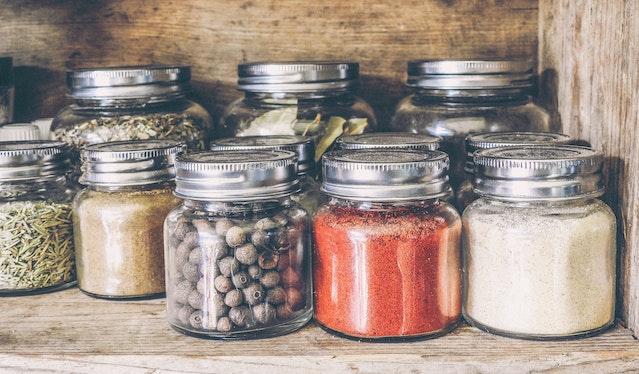
Essential Indian Spices Every Kitchen Should Have
Indian cooking is known for its incredible flavors, vibrant colors, and comforting aromas. While many people believe Indian cuisine requires dozens of spices, the truth is that you can prepare hundreds of authentic dishes with just a handful of essential spices.
Whether you're making a simple dal, vegetable curry, rice dish, or snack, stocking your pantry with these Indian spices will help you cook delicious meals with confidence.
1. Turmeric (Haldi)
Turmeric is one of the most recognizable spices in Indian cooking. Its bright golden color and earthy flavor make it a staple in almost every savory dish.
Flavor Profile
- Earthy
- Warm
- Mildly bitter
Common Uses
- Vegetable curries
- Dal
- Rice dishes
- Soups
- Marinades
Cooking Tip: Use only ¼ to ½ teaspoon for most recipes.
2. Cumin Seeds (Jeera)
Cumin seeds are often the first spice added to hot oil during tempering (tadka). They provide a rich, nutty aroma and deepen the flavor of any dish.
- Dal
- Rice
- Vegetable stir-fries
- Yogurt dishes
3. Coriander Powder
Coriander powder provides a mild citrusy flavor and balances stronger spices.
- Curries
- Chickpeas
- Potatoes
- Vegetables
4. Red Chili Powder
Red chili powder adds heat and beautiful color to Indian recipes.
Beginners should start with just ¼ teaspoon and increase to taste.
5. Garam Masala
Garam masala is a fragrant blend of warming spices added near the end of cooking.
- Paneer dishes
- Dal
- Vegetable curries
- Rice dishes
6. Mustard Seeds
Mustard seeds are commonly used in South Indian cooking. When added to hot oil they pop and release a nutty flavor.
7. Asafoetida (Hing)
Hing is used in very small quantities and gives lentils and bean dishes a wonderful savory flavor while aiding digestion.
8. Whole Coriander Seeds
Whole coriander seeds are often roasted before grinding to produce maximum flavor.
9. Fenugreek Seeds (Methi)
These slightly bitter seeds add depth to curries and pickles.
10. Kasuri Methi
Dried fenugreek leaves add restaurant-style flavor to many North Indian dishes.
11. Green Cardamom
A sweet and aromatic spice commonly used in chai, desserts, and biryani.
12. Cloves
Cloves provide warmth and richness to rice dishes, garam masala, and tea.
13. Cinnamon
Whole cinnamon sticks add warmth and sweetness to savory and sweet recipes alike.
14. Black Pepper
Freshly ground black pepper adds gentle heat and aroma to soups, curries, and spice blends.
Essential Starter Spice Kit
- Turmeric
- Cumin Seeds
- Coriander Powder
- Red Chili Powder
- Garam Masala
- Mustard Seeds
- Hing
- Kasuri Methi
Tips for Storing Indian Spices
- Store in airtight containers.
- Keep away from sunlight.
- Use dry spoons.
- Buy whole spices whenever possible.
- Replace ground spices every 12–18 months.
Master Indian Cooking One Spice at a Time
Building an Indian spice pantry doesn't have to be expensive or overwhelming. Start with a few essential spices and gradually expand your collection as your confidence grows.
At Fearless Vegetarian, we believe anyone can cook delicious Indian vegetarian meals at home. With these essential spices in your kitchen, you'll be ready to prepare flavorful and authentic recipes with ease.